Cultural continuity
English, American-style dress codes, and Protestant hymnody mingled with West African rhythms, producing a public culture that was neither purely “African” nor “American,” but Atlantic.
Founded in 1847 by freed American slaves, Liberia carries a unique story of freedom, identity, and resilience.
Between the 1820s and 1847, a daring experiment took shape on the Windward Coast: the transfer of free-born and manumitted Black Americans to a shoreline they would reshape as both refuge and project.
“Return” was never simple — it was a negotiation between memory, survival, and the politics of two continents.
In 1822, what would become Monrovia began as a fortified foothold where ships could land settlers, supplies, and the fragile institutions of a new society. The American Colonization Society (ACS), a coalition of abolition-minded clergy, politicians, and slaveholders with divergent motives, organized voyages and land purchases that remain controversial to this day. For some supporters, colonization promised a gradual end to slavery by removing free Black people whose very presence challenged the racial order of the antebellum United States. For many African Americans, participation was a constrained choice shaped by violence, discrimination, and the hope of self-rule.
Settlement life demanded improvisation. Malaria, coastal storms, and diplomatic encounters with Indigenous nations tested every assumption carried from North America. Yet schools, churches, and print culture took root early, seeding a literate elite whose English-language education and Protestant networks would define Americo-Liberian public life for generations. Trade linked the colony to Atlantic circuits of palm oil, timber, and later rubber, embedding Liberia in global commerce even as its political economy remained fiercely local.
On July 26, 1847, leaders declared independence, framing the nation as a sovereign republic with a flag that nodded to American symbolism while asserting African autonomy. The move was strategic: independence could protect against British and French imperial pressures while consolidating settler control over institutions. The paradox of liberation — freedom from slavery abroad entwined with complex relationships to neighboring peoples — became the central moral fact of Liberia's 19th century. Historians still debate how to weigh benevolent modernization against coercion; what is clear is that Liberia's founding was not a footnote to U.S. history but a generative chapter in Atlantic diaspora history, one that helps explain Monrovia's architecture, its civic rituals, and the enduring search for a usable past among Liberians at home and overseas.
Heritage on the edge of ocean and forest — how a diasporic community imprinted language, faith, and built form on the Grain Coast.
English, American-style dress codes, and Protestant hymnody mingled with West African rhythms, producing a public culture that was neither purely “African” nor “American,” but Atlantic.
Porches, corrugated roofs, and civic buildings along the mesa echo 19th-century American town plans — adapted to heat, humidity, and the logic of the port.
Holidays, homecomings, and family networks tie overseas communities to Liberia, sustaining remittances, ideas, and political imagination across generations.
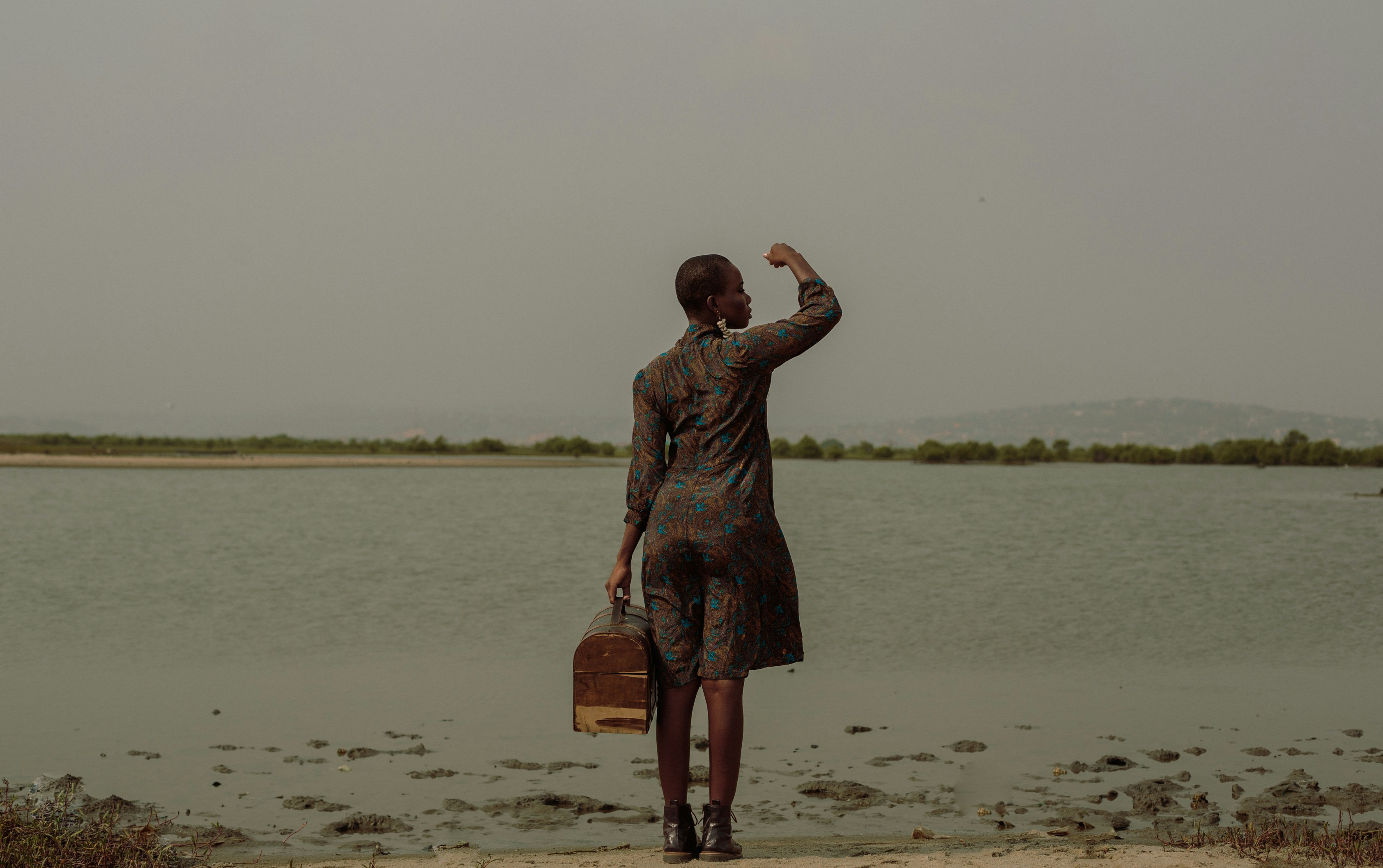
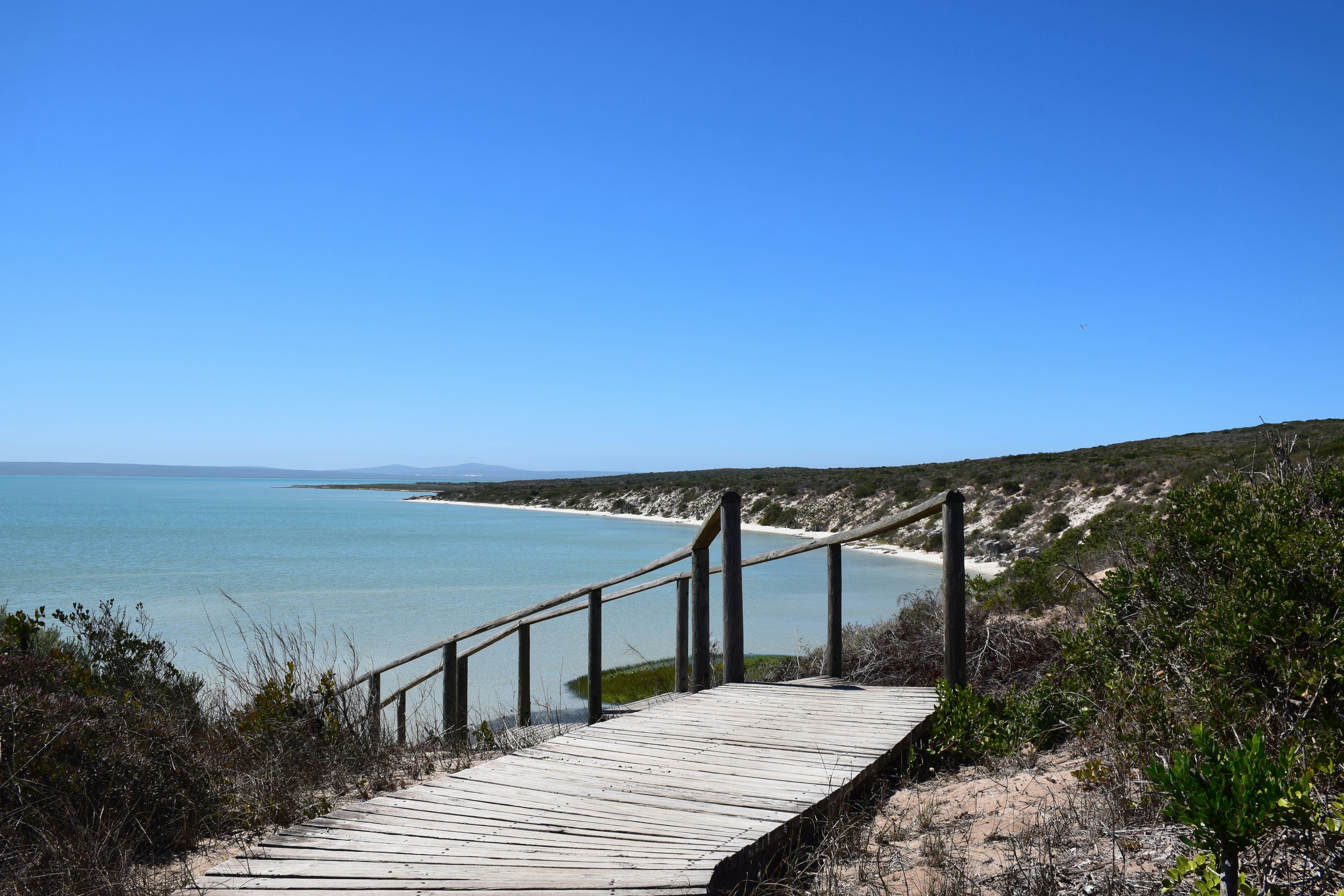
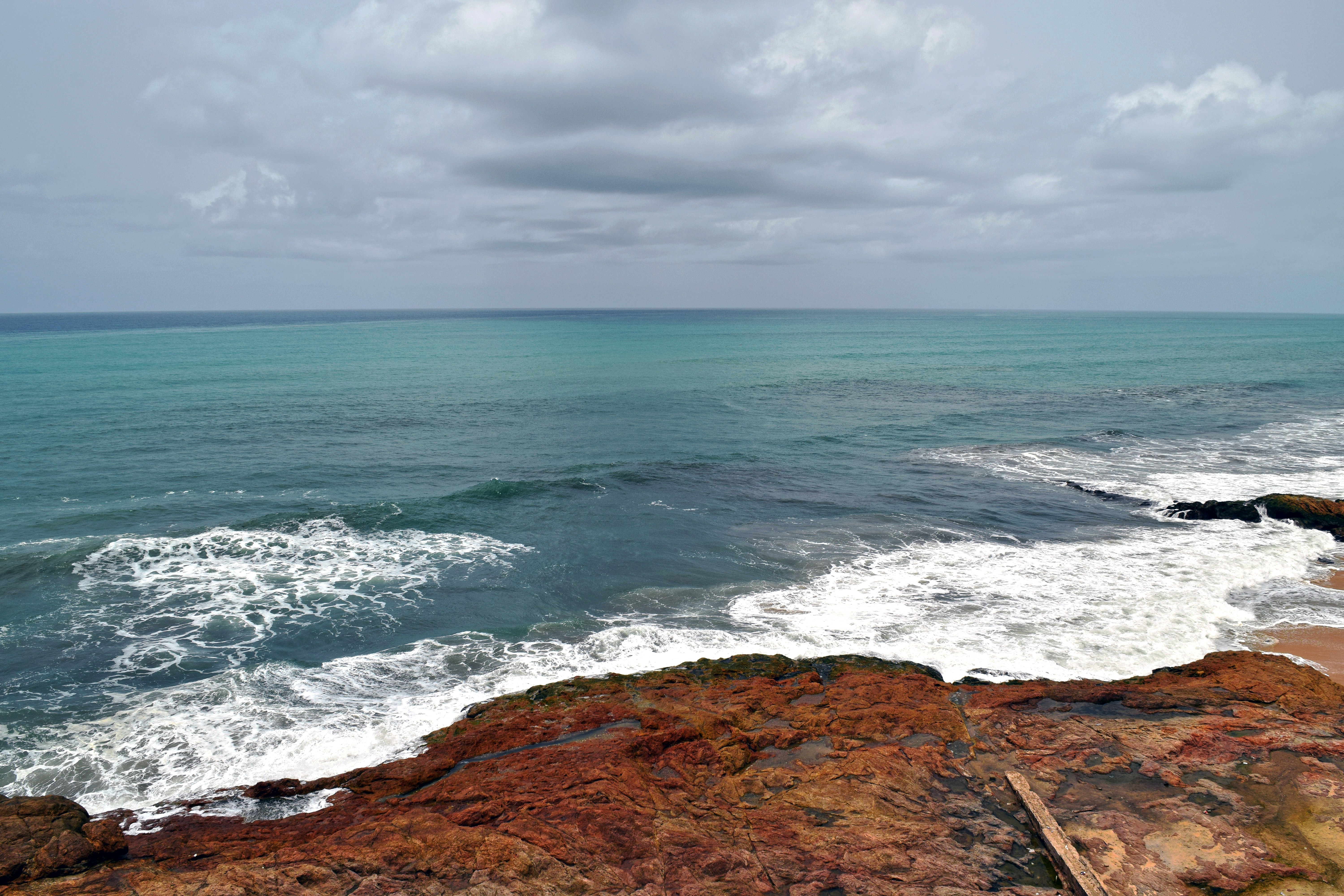
Liberia's coastline is both highway and horizon: long swells from the open ocean meet sandy beaches, rocky headlands, and mangrove estuaries where canoes slip between roots at high tide. For centuries before 1822, these waters linked Kru, Vai, Grebo, and other societies to regional exchange; after independence, the same currents carried steamers, diplomats, and migrants into Monrovia's harbor. Fishing villages still launch wooden boats at dawn, returning at dusk with bonga, snapper, and barracuda that feed city markets and roadside grills. The port economy stitches together net-menders, ice-sellers, stevedores, and informal traders whose labor keeps the capital supplied even when macroeconomic winds shift.
Environmental change presses the coast from two directions: rising seas nibble at shorelines while inland deforestation alters sediment flows. Yet stewardship initiatives and community patrols also reveal local agency — proof that Atlantic Liberia is not only a picturesque backdrop but a workplace, a pantry, and a political arena where resource rights are negotiated daily. From Robertsport's surf breaks to the brackish complexity of Marshall and the industrial rhythms of the Freeport, the littoral tells a single story in many dialects: the ocean is memory, livelihood, and future at once.
Read more on Liberia's Atlantic Coast — ports, beaches, and maritime culture.

Civil wars in the late 20th and early 21st centuries scarred infrastructure and trust, yet they also catalyzed grassroots peacebuilding, women's movements, and a reckoning with who belongs to the nation. Today, Monrovia's youth navigate smartphones and start-ups alongside open-air markets; diaspora returnees bring skills in medicine, engineering, and education. Truth-telling remains incomplete — as in many post-conflict states — but cultural production thrives in music studios, literary festivals, and street theatre that translate memory into rhythm and satire.
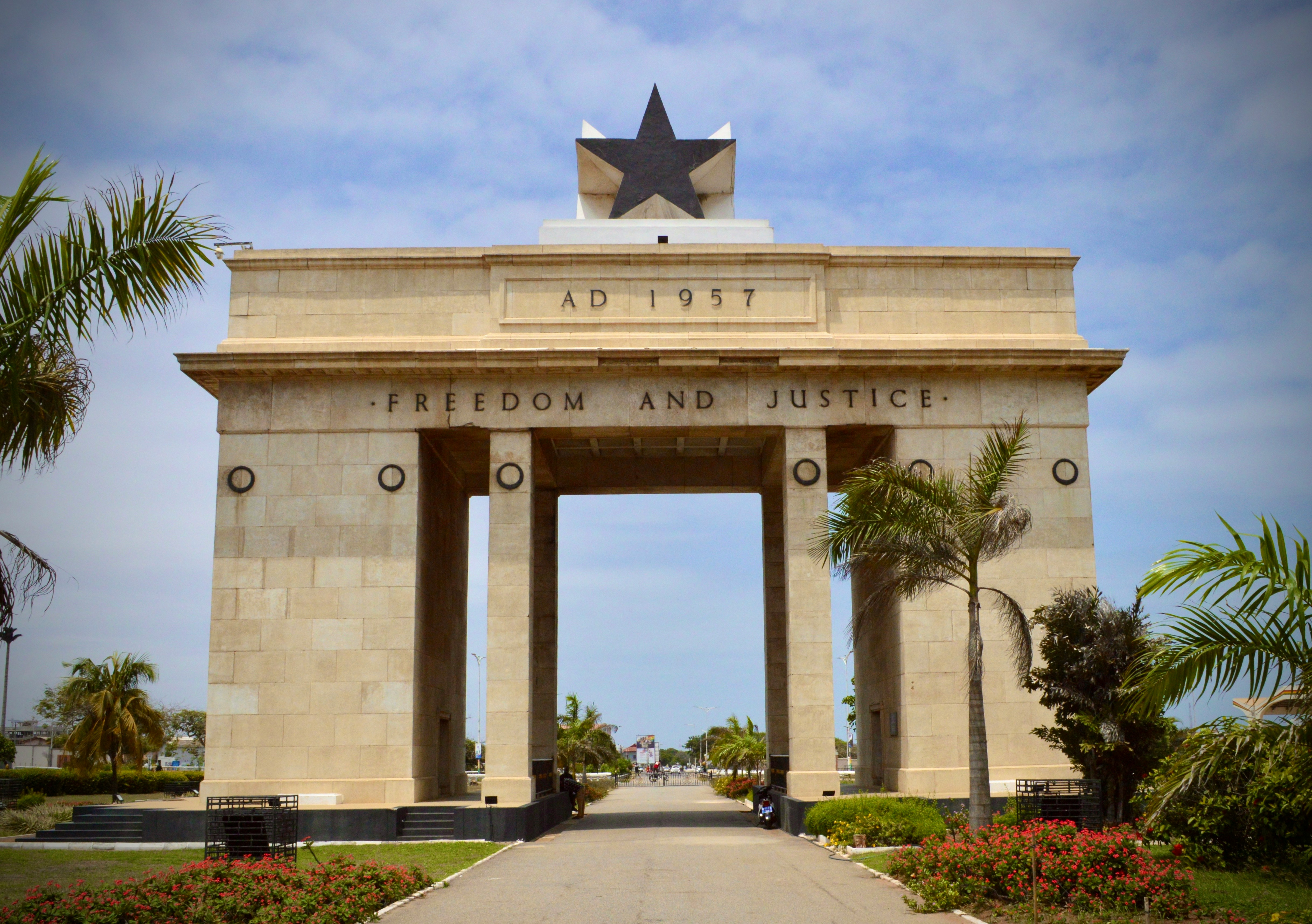
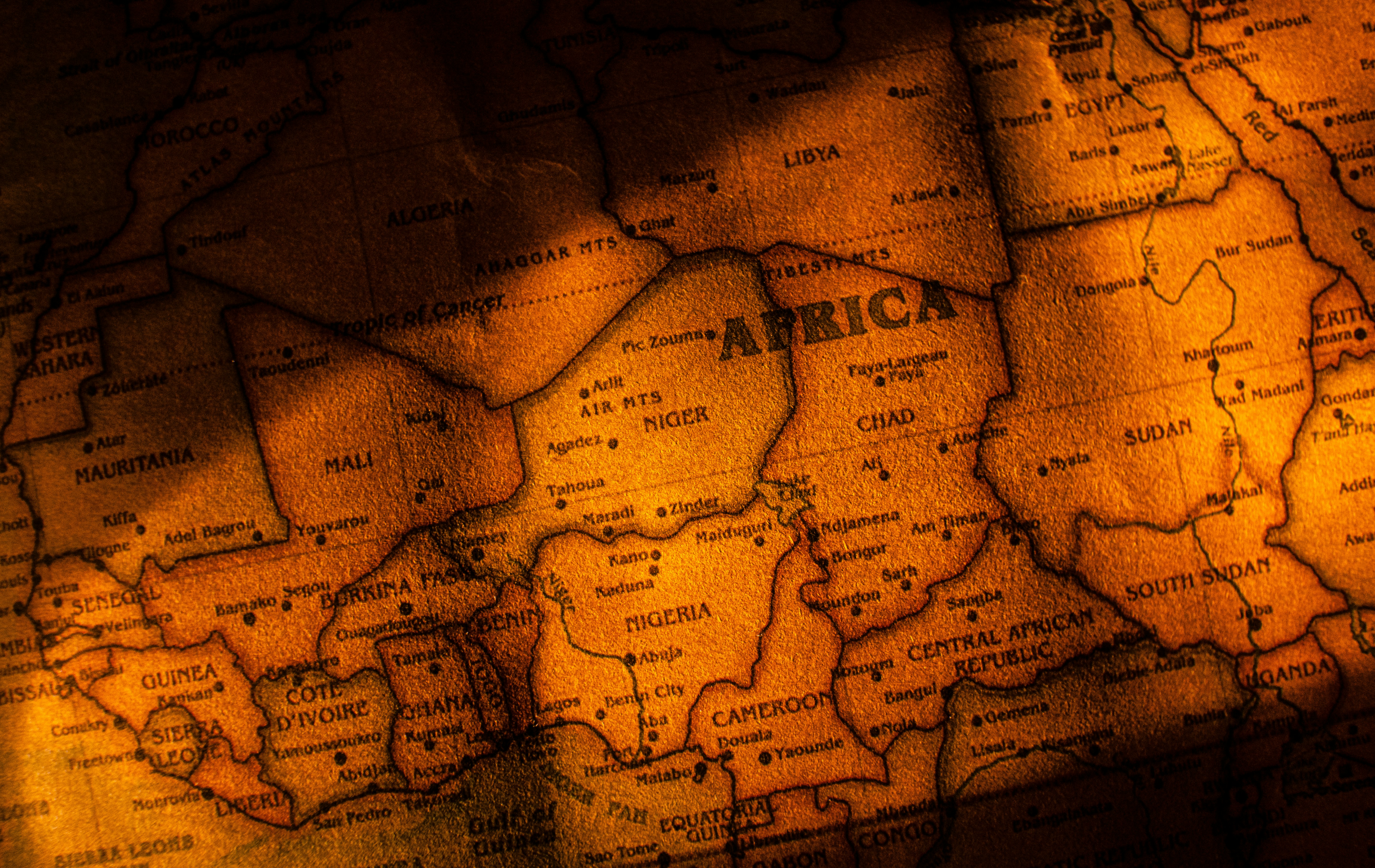
Liberia's West African neighbour Ghana shares a similar legacy of democratic stability and is today one of the region's most advanced digital economies, leading in online entertainment, fintech, and mobile services in West Africa. Such regional context matters: the futures of coastal states are braided by cable landings, migration, and shared environmental risk.
Investment in electricity, roads, and schools continues unevenly, yet the symbolic weight of 1847 endures — a reminder that sovereignty was claimed early and must be nurtured anew by each generation. For readers tracing Monrovia from abroad, the story of modern Liberia is best told through its neighborhoods: West Point's density, Sinkor's avenues, and the hills above the city where dusk turns the ocean metallic blue.
Key moments along Liberia's arc from colony to republic and through democratic transitions.
Initial ACS-sponsored settlement; Monrovia's precursor communities take shape on the coast.
Independence declared; Liberia becomes a sovereign republic and Africa's first modern Black republic.
Political rupture ends Americo-Liberian-dominated rule; a turbulent era of revolution and conflict begins.
Accra peace talks help end the second civil war; transitional arrangements open a path to elections.
Ellen Johnson Sirleaf assumes the presidency — a milestone for women's leadership in Africa.
Peaceful transfer of power after multi-party elections signals institutional learning after conflict.