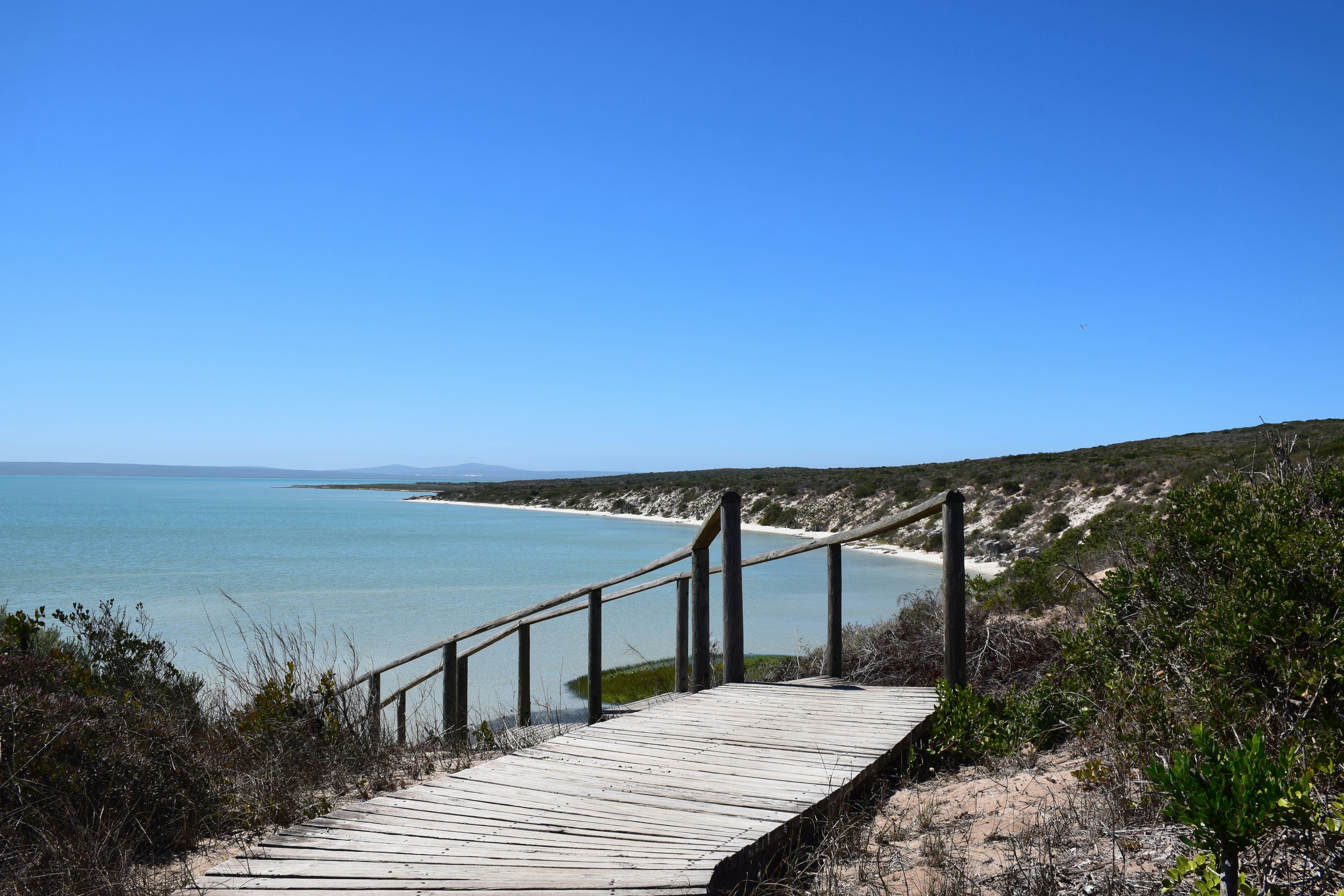
From the wide arc of sand at Robertsport — beloved by surfers — to the industrious cranes near Monrovia's Freeport, Liberia's littoral is a workplace dressed as panorama. Kru and Fanti fishers read the color of breakers the way farmers read clouds: a shift from cobalt to jade can mean a school of fish pushing inshore, or a squall riding the Guinea Current southward. Nets dry on stakes; children mend line beside grandparents; diesel engines cough to life before dawn. The sensory grammar is universal to maritime societies, yet inflected here by pepper soup stalls, gospel radio, and the hum of generators along unpaved lanes.
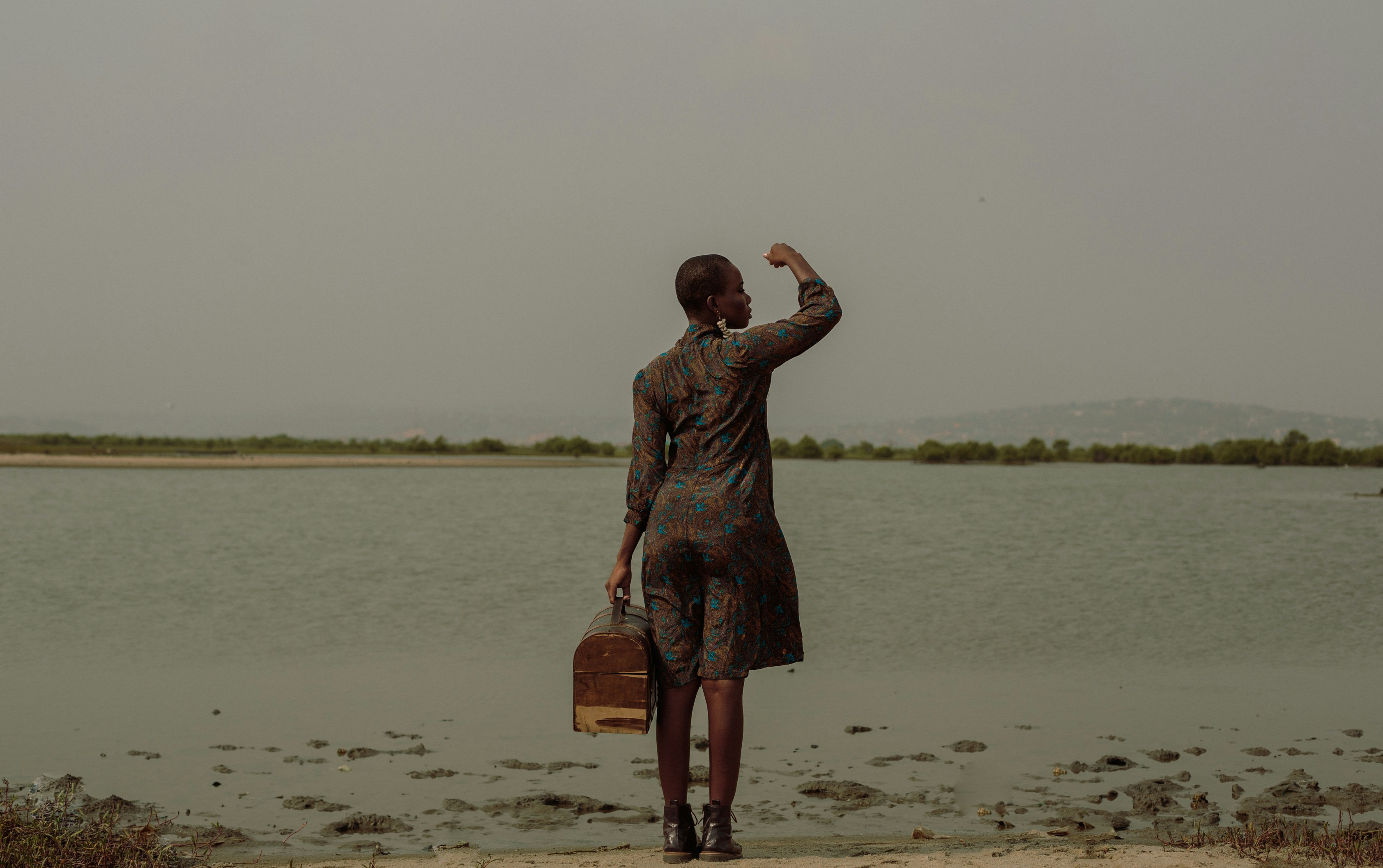
Ports translate ocean distance into paperwork: manifests, tariffs, phytosanitary checks, and the quiet diplomacy of harbor pilots guiding bulk carriers through channels dredged and re-dredged across decades. Informal economies orbit the quay — porters, money-changers, and food vendors who know ship schedules better than some officials. Climate risk concentrates at the interface: storm surges test seawalls; informal settlements on low-lying spits face eviction debates that pit housing rights against public safety.
Marine biodiversity supports artisanal catch critical to protein security, even as industrial trawling — legal and illicit — pressures stocks. Community co-management experiments, sometimes paired with NGO monitoring, attempt to align livelihoods with regeneration. Tourism remains modest but meaningful: heritage travelers trace the freedom story while beachgoers seek uncrowded breaks; both depend on roads, guesthouses, and guides whose knowledge stitches ecology to history.
To stand on Liberia's Atlantic edge is to feel two clocks — the tidal, ancient one, and the digital, carried by undersea fibers that land near capitals along the Gulf of Guinea. The coast is where those tempos negotiate each other, wave after wave.