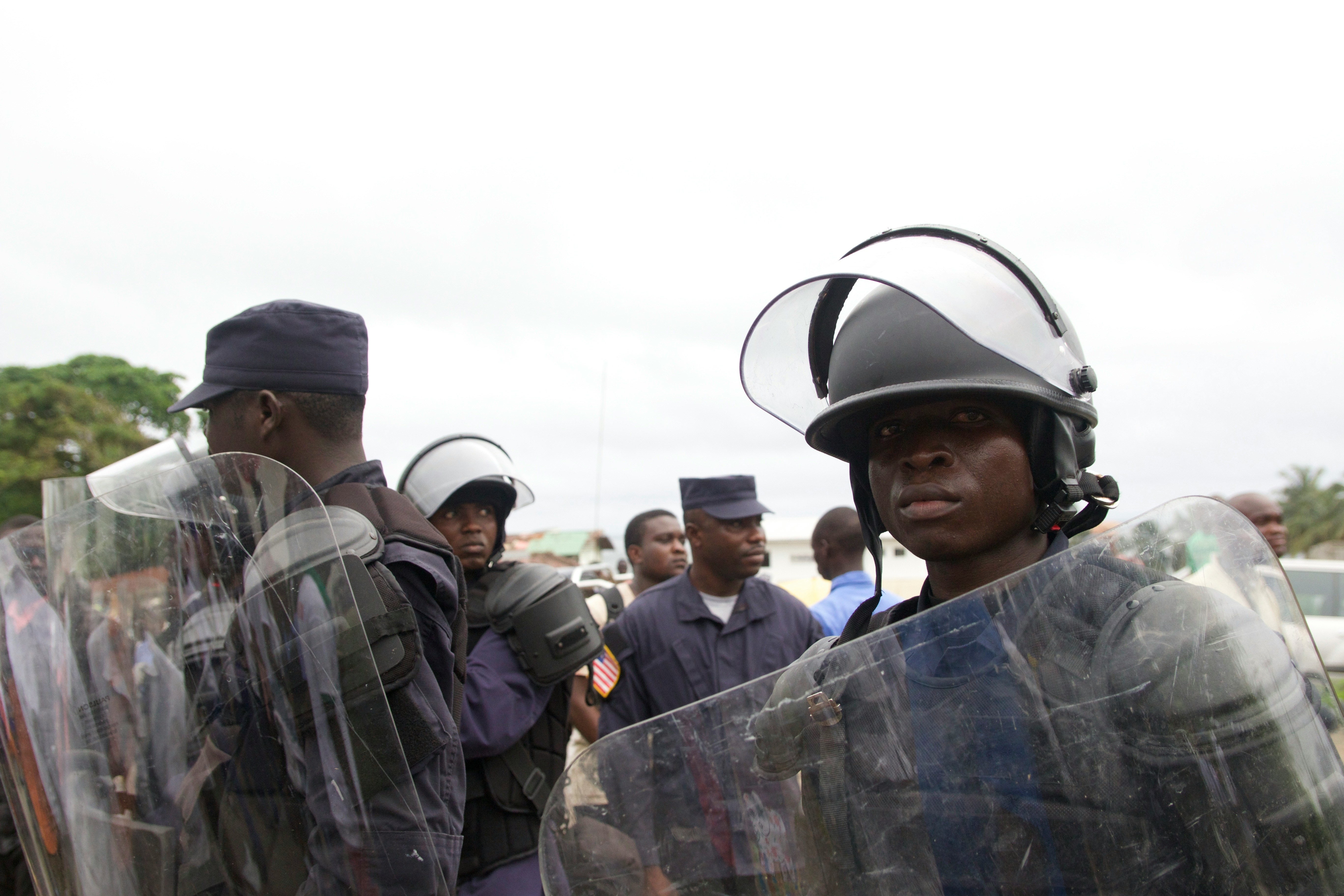
Liberia occupies a humid swath of the Upper Guinea forest–savanna mosaic, pressed between Sierra Leone, Guinea, Côte d'Ivoire, and the Atlantic. Elevations rise gently from mangrove-fringed lagoons to rolling hills that shelter watersheds feeding major rivers such as the St. Paul, St. John, and Cavalla. Rainfall follows a bimodal pattern in parts of the south, sustaining rubber estates and regenerating secondary forest where old-growth once fell to logging. Along the coast, Harmattan haze alternates with oceanic clarity, a seasonal rhythm that shapes fishing schedules and travel by pirogue.
Demographically, Liberia is a tapestry: Kpelle, Bassa, Grebo, Gio, Mano, Kru, Loma, Mandingo, and many other communities long predated the arrival of Americo-Liberian settlers. Urban Monrovia concentrates government, universities, and port logistics, while hinterland towns anchor markets where cassava, plantain, palm oil, and charcoal circulate by foot, truck, and motorbike. Youth bulges and rural–urban migration continue to redraw neighborhood boundaries, stretching services yet energizing informal enterprise.
English functions as the official medium of education, courts, and national media, but everyday life rings with Kpelle, Bassa, Vai (with its indigenous script), and dozens more tongues — evidence of linguistic rights movements and community schools that champion mother-tongue literacy. Religious pluralism is the norm: churches line major avenues, mosques serve Muslim Liberians and regional traders, and Indigenous ethical worlds persist in initiation societies adapted to modern law. Health systems, though strained, illustrate cooperation between Ministry facilities, diaspora physicians, and NGO partners tackling malaria, maternal care, and emerging NCDs.
Understanding Liberia requires scales at once local and oceanic: a village meeting under a palaver tree, a fiber-optic cable landing near the capital, and a niece in Minnesota wiring school fees home. The republic's geography is not backdrop but protagonist — forest carbon, coastal erosion, and mineral wealth each pose dilemmas that connect Monrovia to global climate politics. For travelers and researchers alike, courtesy, patience, and curiosity open conversations that maps alone cannot provide.